
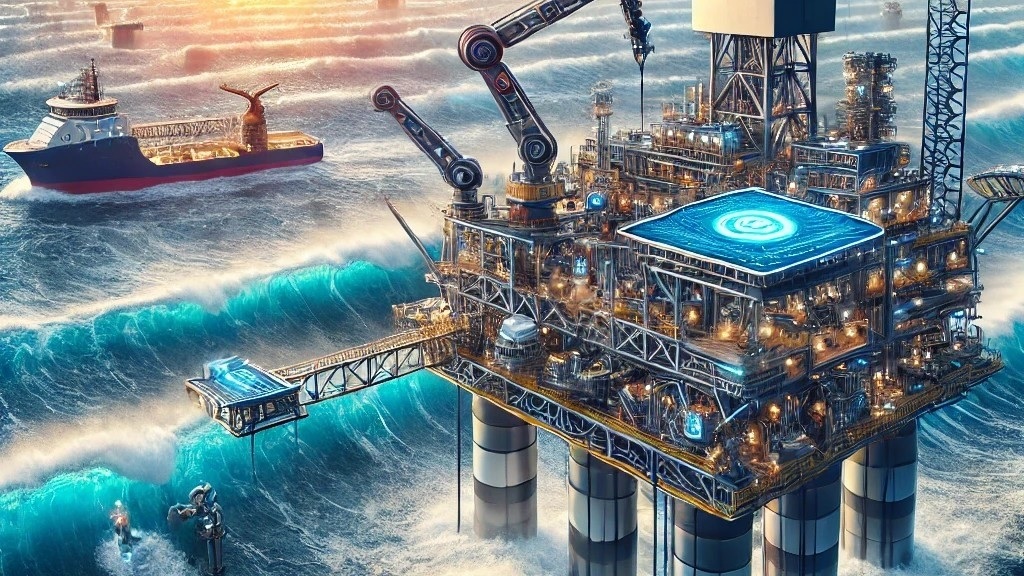

Offshore industries have long played a major role in meeting the world’s energy needs. However, as governments, investors, and customers push for faster progress on climate goals, companies operating at sea are under increasing pressure to reduce emissions without disrupting essential production.
That is not a simple task. Offshore facilities are often located far from existing infrastructure, exposed to difficult weather conditions, and designed to operate for decades. Replacing entire systems overnight is rarely practical. Instead, the industry is taking a more gradual approach that combines new technology, improved efficiency, cleaner fuels, and closer collaboration.
Improving Energy Efficiency
One of the most immediate ways offshore companies can reduce emissions is by using less energy in the first place. Operators are reviewing everything from power generation and heating systems to pumps, compressors, and ventilation equipment.
Even relatively small changes can make a difference when applied across a large offshore facility. Digital monitoring tools are helping companies identify where energy is being wasted, predict maintenance requirements, and optimize equipment performance in real time.
Some operators are also exploring ways to electrify offshore platforms. Power may be supplied from shore or generated using nearby renewable sources, such as offshore wind. While this requires significant investment, electrification could considerably reduce the use of gas turbines and diesel generators.
Capturing Emissions at the Source
Carbon capture is another area attracting growing attention. Offshore production facilities can generate substantial emissions, but space and weight restrictions have historically made traditional carbon capture equipment difficult to install.
More compact technology could help solve this challenge. New systems are being designed to fit into tighter offshore environments while still capturing a meaningful share of carbon dioxide. Partnerships between technology providers, engineering companies, and offshore operators are helping to develop practical offshore solutions that can potentially be integrated into floating production facilities and other marine assets.
By capturing emissions before they enter the atmosphere, offshore companies may be able to extend the useful life of existing infrastructure while lowering its environmental impact.
Exploring Cleaner Fuels
The offshore sector is also considering alternatives to conventional fossil fuels. Biofuels, hydrogen, ammonia, and synthetic fuels may all have a role to play, particularly in powering support vessels and other marine operations.
Each option comes with its own challenges. New fuels may require different storage systems, updated safety procedures, and changes to engines or onboard equipment. Companies are therefore testing different approaches rather than relying on a single solution.
Working Across the Supply Chain
Lowering offshore emissions will require cooperation between operators, suppliers, regulators, ports, engineers, and technology developers. Many of the most promising projects involve partnerships that combine operational experience with specialist technical knowledge.
Clear regulations and financial incentives will also influence how quickly new systems are adopted. Offshore decarbonization projects can involve high upfront costs, so businesses need confidence that policy frameworks will remain stable.
Preparing for Long-Term Change
The offshore industry is unlikely to transform through one breakthrough technology. Progress will come from combining several strategies, including energy efficiency, electrification, carbon capture, cleaner fuels, and smarter operations.
The shift will take time, but preparation is already underway. By investing in flexible technologies and collaborative projects now, offshore companies can reduce emissions while continuing to provide the energy and resources that economies still rely on.

Comments are closed.