
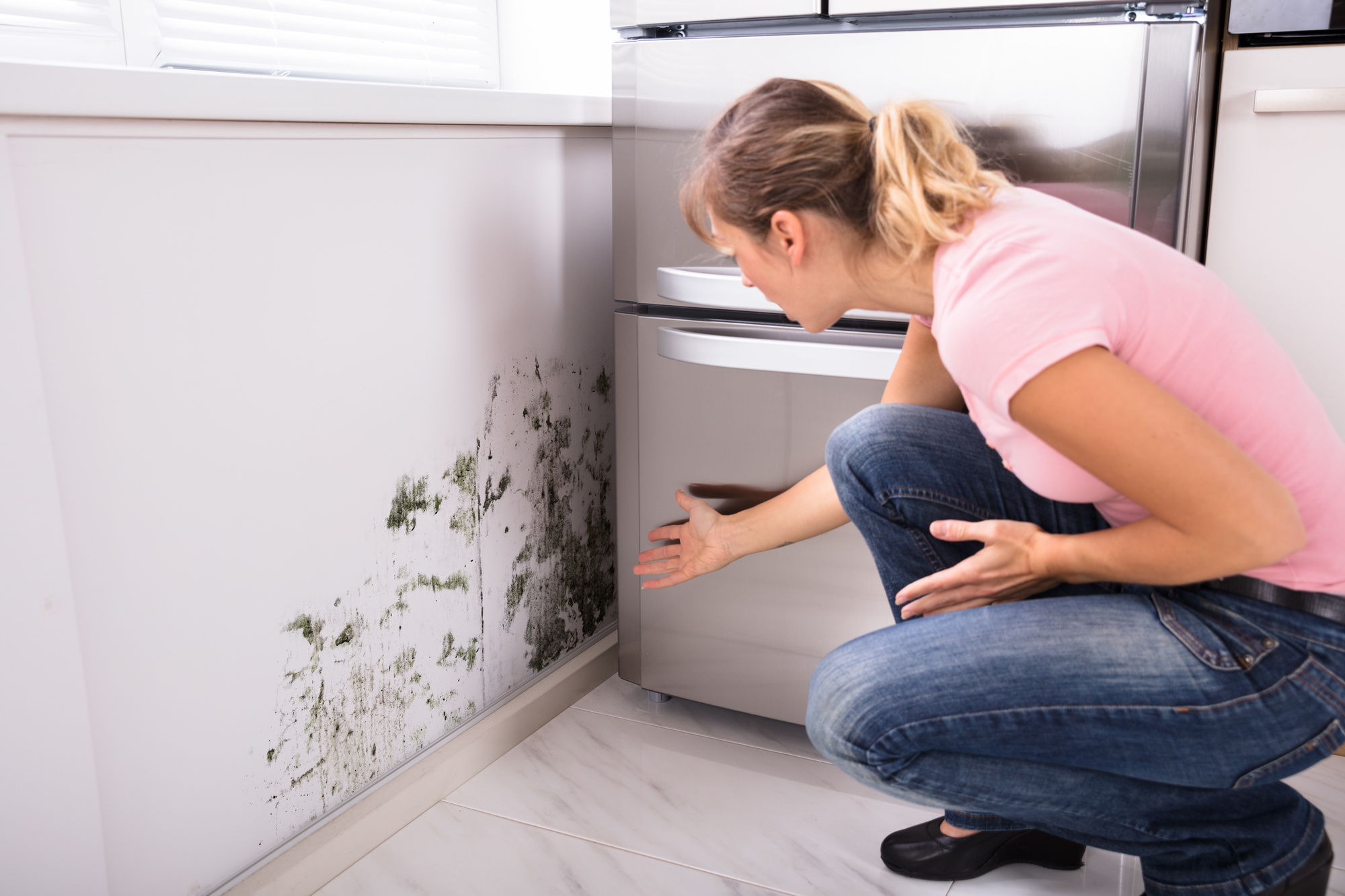

Excess moisture can affect a house before the signs seem serious. Damp air may leave rooms stuffy, create musty odors, and harm wood or paint. Small clues can point to a problem within walls, windows, or lower levels. This article covers the signs that deserve attention and steps that may help protect the property.
Check Windows and Walls for Moisture
Condensation on glass can signal high indoor moisture. A dehumidifier installation may help improve control when several rooms feel damp. Water marks on walls or ceilings may point to leaks or poor airflow. Check these areas after showers, storms, and humid afternoons.
Peeling paint, soft drywall, or swollen trim deserves attention. Moisture may weaken finishes near windows or exterior walls. Wipe wet areas, then see how soon the dampness returns. A fast return suggests that the source needs inspection.
Notice Musty Odors and Mold Spots
A musty smell in a basement, closet, or bathroom can indicate trapped moisture. Mold may appear near vents, grout, window frames, or stored boxes. Spores can spread through indoor air and affect nearby surfaces. Clean minor surface growth safely and address the moisture source.
Humidity control helps reduce conditions that support mold. Exhaust fans, open doors, and repaired leaks can help surfaces dry. A humidity meter can show if levels stay high. Repeated mold patches may call for professional assessment.
Watch Wood, Floors, and Furniture
Wood reacts to moisture, so doors may stick and floorboards may feel uneven. Cabinets can swell, furniture joints may loosen, and trim can shift. Such changes can develop slowly and remain easy to miss. Check each room for signs of damp air.
Signs That Point to Moisture Stress
- Hardwood boards begin to cup or lift near the edges.
- Wooden doors become hard to close during humid weather.
- Furniture develops a stale smell inside drawers or cabinets.
- Baseboards show stains, gaps, or surface changes.
Keep notes on when each sign appears and how long it lasts. This record can reveal a seasonal, plumbing, or drainage issue. Stable moisture levels may help protect wood from repeated expansion.
Pay Attention to Indoor Comfort
High humidity can make normal temperatures feel warm and heavy. Skin may feel clammy, bedding may seem damp, and rooms can feel stale. These clues can appear ahead of visible property damage. They may also place extra demand on the cooling system.
Set a humidity meter in rooms that feel uncomfortable. Read it at different times for several days. Whole-home dehumidifier installation may suit steady moisture across several spaces. A portable unit may help one room after leaks have been ruled out.
Review Basements, Crawl Spaces, and Storage Areas
Lower levels can collect moisture from soil, foundation cracks, or poor drainage. Boxes may soften, tools may rust, and fabrics may develop odors. Check corners, pipes, support posts, and floor drains. Early signs can prevent damage to stored items and nearby materials.
Make sure gutters direct water away from the foundation. Seal entry points after the cause has been confirmed. A dehumidifier helps with damp air. Structural water entry still needs repair, and checks after heavy rain can show if it has returned.
Frequently Asked Questions
What are the common signs of excess humidity at home?
Common signs include window condensation, water marks, musty odors, clammy air, and mold growth. Rooms may also feel stuffy or uncomfortable.
What is the difference between portable and whole-house dehumidifiers?
A portable unit controls moisture in one room or a small area. A whole-house unit connects to the HVAC system and helps manage humidity across several rooms.
Can a dehumidifier stop mold from returning?
A dehumidifier may help reduce the damp conditions that support mold. Leaks, drainage faults, or ventilation problems still need direct repair.
Excess humidity rarely appears through one dramatic sign. It usually shows up as condensation, odors, mold, warped wood, or uncomfortable rooms. A humidity meter and a careful home check can clarify the cause. Once the source is clear, moisture control may help preserve surfaces, stored items, and indoor comfort.

Comments are closed.