
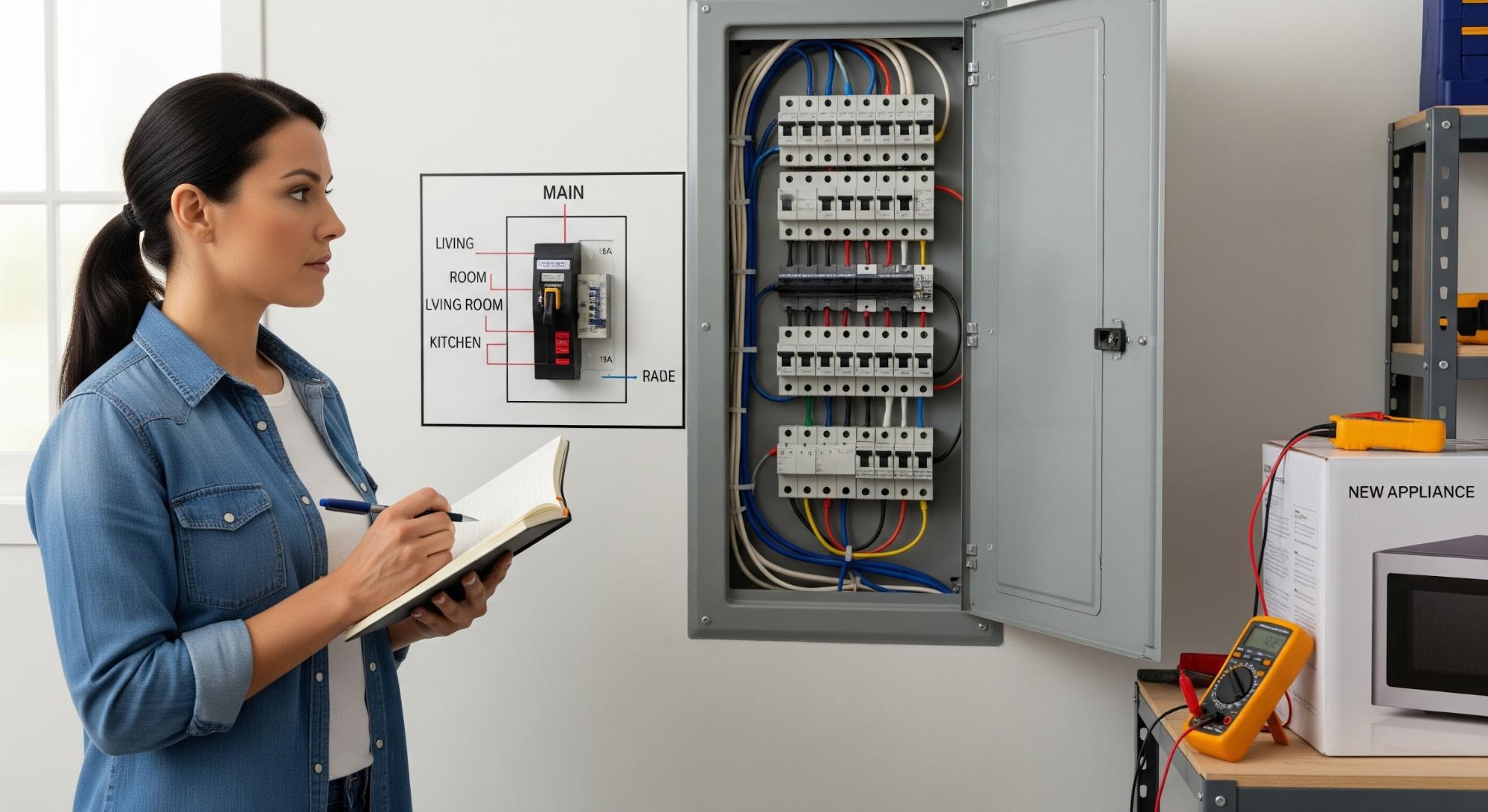

Modern households use far more electricity than homes built decades ago. Large kitchen appliances, home offices, entertainment systems, electric vehicle chargers, and smart devices all place greater demands on residential electrical systems. Older wiring may struggle to keep up with these changes, leading to inconvenience and potential safety concerns.
Homeowners considering New Hampshire electrical wiring and panel upgrades can avoid unexpected electrical problems by recognizing early warning signs. Identifying these issues before adding new appliances helps improve reliability, protect valuable equipment, and prepare the home for future electrical needs.
Circuit Breakers Trip More Frequently
Frequent breaker trips usually indicate that electrical circuits are carrying more power than they were designed to handle. Adding new appliances in New Hampshire without increasing electrical capacity can overload older systems.
Solution
-
Schedule a professional electrical inspection.
-
Identify overloaded circuits before adding new appliances.
-
Upgrade the electrical panel if additional capacity is needed.
-
Install dedicated circuits for large appliances.
-
Replace outdated breakers when recommended by a licensed electrician.
Lights Flicker When Appliances Operate
Lights that dim or flicker while using microwaves, air conditioners, or other large appliances may signal an overloaded circuit or insufficient electrical capacity. Small fluctuations may seem harmless but can indicate underlying wiring concerns.
Solution
-
Have electrical loads evaluated by a licensed electrician.
-
Separate large appliances onto dedicated circuits.
-
Replace aging wiring if necessary.
-
Upgrade the electrical panel for increased capacity.
-
Correct loose electrical connections during inspection.
Extension Cords Become Part of Everyday Life
Extension cords should provide temporary power, not permanent electrical solutions. Constant reliance on power strips or extension cords usually means the home lacks enough properly located outlets for current needs.
Solution
-
Install additional outlets where electrical demand is highest.
-
Add dedicated receptacles for home offices and entertainment areas.
-
Replace older outlets that no longer meet household needs.
-
Reduce dependence on extension cords.
-
Improve outlet placement during electrical upgrades.
Older Wiring Cannot Support Modern Technology
Homes built several decades ago were not designed for electric vehicle chargers, high-performance kitchen appliances, or connected smart home systems. Older wiring may limit future improvements or create performance issues. Homeowners planning New Hampshire electrical wiring and panel upgrades should evaluate current electrical capacity before investing in additional technology.
Solution
-
Replace outdated wiring that no longer meets modern demands.
-
Evaluate electrical capacity before major renovations.
-
Prepare circuits for future appliances and smart home devices.
-
Install wiring that complies with current electrical codes.
-
Plan upgrades with future household needs in mind.
Warm Outlets or Burning Odors Appear
Electrical outlets in New Hampshire should never become unusually warm during normal use. Heat, discoloration, or burning odors may indicate damaged wiring, overloaded circuits, or loose electrical connections that require immediate attention.
Solution
-
Stop using the affected outlet immediately.
-
Turn off power to the circuit if it can be done safely.
-
Arrange a professional electrical inspection without delay.
-
Replace damaged outlets and wiring.
-
Correct overloaded circuits before restoring power.
Home Renovations Increase Electrical Demand
Kitchen remodels, finished basements, home additions, and workshop spaces usually require additional electrical capacity in New Hampshire. Existing wiring may no longer support expanded electrical use without modifications.
Solution
-
Include an electrical evaluation during renovation planning.
-
Upgrade panels before adding major appliances.
-
Install dedicated circuits for new equipment.
-
Review local electrical code requirements.
-
Coordinate electrical improvements before construction begins.
Modern appliances continue to increase New Hampshire household electrical demands, making reliable wiring more important than ever. Frequent breaker trips, flickering lights, outdated wiring, warm outlets, and growing electrical needs all signal that an inspection may be necessary. Addressing these concerns before installing additional equipment helps improve safety, increase reliability, and prepare the home for future technology. Careful planning with a licensed electrician ensures the electrical system continues to support changing household needs for years to come.

Comments are closed.