
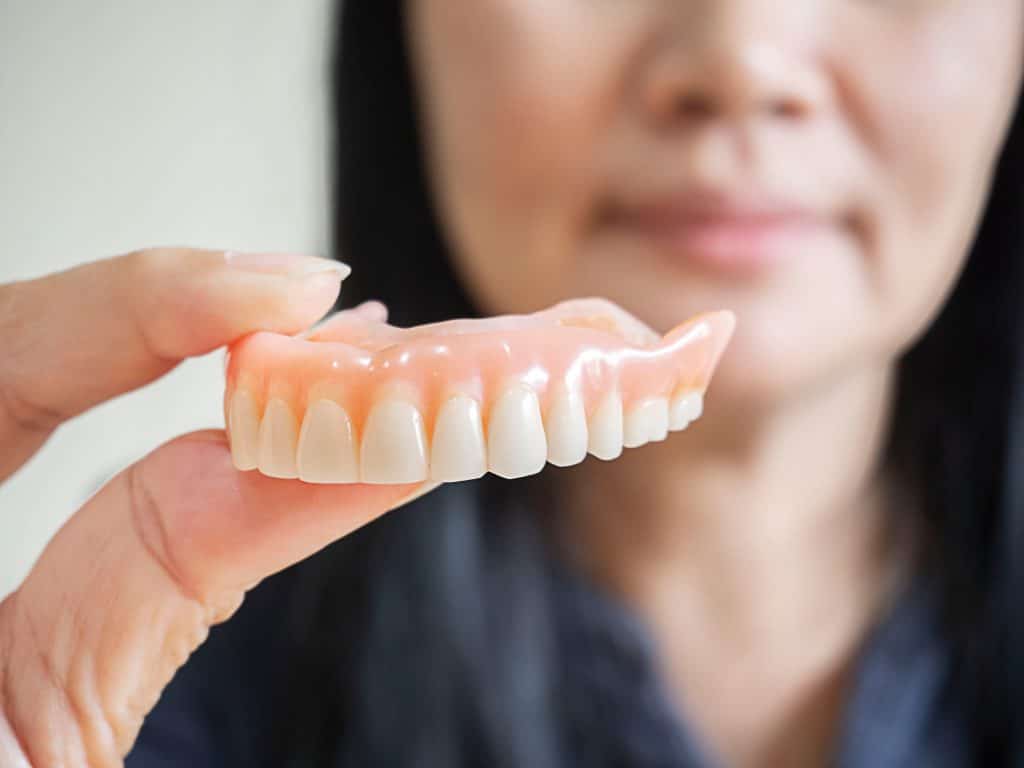

What are Dentures?
Dentures are dental appliances that are removable and used to replace lost teeth. Dentures come in a variety of forms, such as implant-supported, partial, and complete dentures. A denture may last anywhere from seven to ten years with the right upkeep as explained by denturist in BC.
What are the Indications for Complete Denture?
Oral prosthetic appliances that replace a full arch of missing teeth are known as complete dentures. The indications for complete dentures are:
- Dental implants have been considered unsuitable by patients because of financial restraints.
- A medically compromised status that contraindicates any extractions before having a complete denture
- A complete arch of missing teeth
- Intraoral cancer that has resulted in a loss of gross intraoral tissue, causing an edentulous dental arch
- Inevitable damage to vital structures such as maxillary sinuses, nerves, and vessels
What are the Contraindications to Complete Dentures?
There have not been any documented definitive contraindications to full dentures. But the following elements ought to make a dentist reevaluate using a full denture:
- The patient is against using a detachable device to replace their lost teeth.
- The patient is allergic to the acrylic that was used to make the whole denture.
- The patient has a strong gag reflex, which may be managed by desensitization.
- The patient’s significantly resorbed dental alveolar ridges would make retention difficult even with a full denture.
Dentures may not be the best option for everyone, despite their many benefits. Another and more long-lasting alternative for replacing lost teeth is dental implants. Together with your dentist, decide which course of action is ideal for your particular needs by going over all of your alternatives.
What Advantages Do Dentures Offer?
There are several advantages of dentures, such as:
- Enhanced ability to chew
- Better nutrition as a result of enhanced chewing ability
- Improved look
- Better speech quality.
What are the Shortcomings of Dentures?
There are several difficulties with dentures as well, particularly with classic removable dentures. For example, a lot of people who wear conventional dentures lament that when they talk or chew, their appliances move, wobble, or fall out of position. Additionally, as teeth are lost, your jawbone gradually shrinks, which causes face collapse (like sunken-in cheeks).
A person’s life can be changed by dentures for those who are lacking teeth. They increase confidence, bring back functioning, and enhance the beauty of the face. See your dentist if you’re thinking about getting dentures so you can learn more about your options and start your path to a happier, healthier smile.

Comments are closed.